Flea Bites on Humans – Symptoms, Treatment & Prevention
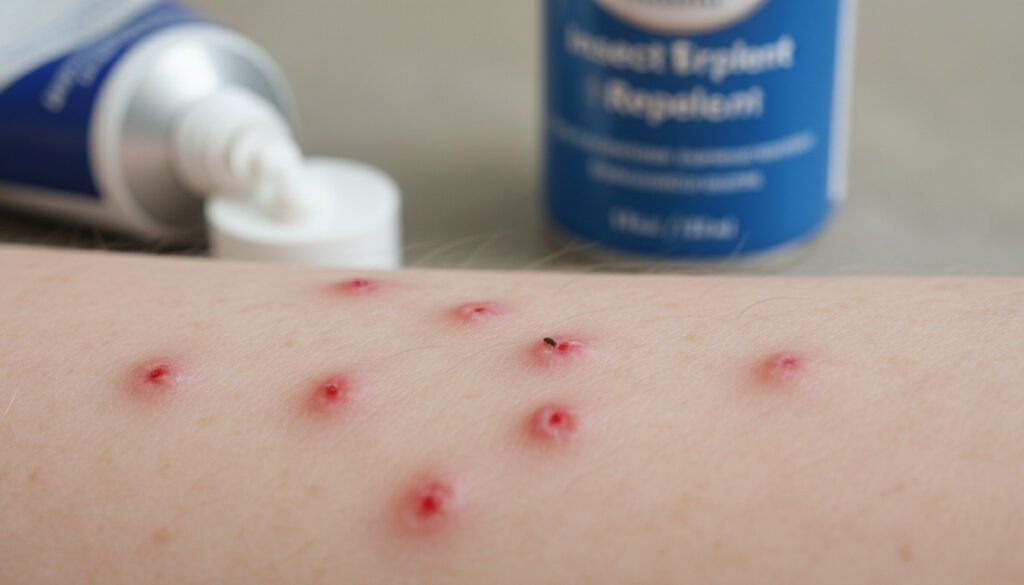
Flea bites on humans present as small, intensely itchy red bumps that typically cluster on the lower legs and ankles. While these bites cause significant discomfort through persistent itching and localized swelling, they rarely pose serious health risks to otherwise healthy individuals.
These parasites prefer animal hosts but bite humans opportunistically when their primary food source proves scarce. The reaction stems from hypersensitivity to proteins in flea saliva, triggering inflammation, redness, and pruritus within hours of the initial bite according to NCBI research.
Most cases resolve without medical intervention within several days, though proper hygiene and targeted treatments can significantly reduce symptom duration and prevent secondary complications.
What Do Flea Bites Look Like on Humans?
Identification begins with recognizing the distinctive clustered pattern. Unlike isolated mosquito bites, flea bites typically appear in groups of three or more, often arranged in lines or triangles on the skin GoodRx dermatology resources confirm.
| Appearance | Location | Duration | Risks |
|---|---|---|---|
| Small red bumps with red halos | Ankles, lower legs, feet | 3-7 days typically | Itching, infection if scratched |
- Fleas prefer animal hosts but bite humans when necessary for survival
- Bites typically manifest in clusters rather than isolated single marks
- The lower extremities serve as primary targets due to proximity to ground-level habitats
- A distinctive red halo surrounds each central bite point
- Blistering may occur secondary to aggressive scratching
- Reaction severity varies based on individual immune sensitivity
- Immediate visual symptoms differ from delayed hypersensitivity responses
| Characteristic | Description | Timeline |
|---|---|---|
| Initial sensation | Painless piercing at moment of bite | Immediate |
| Visual emergence | Red papule with surrounding erythema | 2-24 hours |
| Physical arrangement | Linear or clustered patterns (often triads) | Grouped presentation |
| Primary anatomical sites | Ankles, feet, lower legs | Proximity to floor level |
| Secondary locations | Waistline, skin folds, armpits | Varies by clothing contact |
| Inflammatory markers | Edema, erythema, pruritus | 24-48 hours peak |
| Complication indicators | Bullae, excoriation, open wounds | Results from scratching |
| Resolution phase | Fading discoloration, reduced pruritus | Day 3-7 |
How Do You Treat Flea Bites on Humans?
Most flea bites require no prescription intervention and resolve spontaneously Cleveland Clinic dermatology experts note. However, several evidence-based approaches effectively manage discomfort and accelerate healing.
Immediate Relief Measures
Cold therapy provides rapid symptomatic improvement. Applying ice wrapped in a light towel for at least ten minutes reduces blood flow to the affected area, thereby decreasing inflammation, pain, swelling, and itchiness WebMD medical guidelines recommend.
Wrap ice cubes in a thin towel and apply to bites for 10-minute intervals. Never apply ice directly to skin to prevent tissue damage.
Over-the-Counter Pharmaceutical Options
Topical 1% hydrocortisone cream combines corticosteroid properties with anesthetic effects to reduce both itching and inflammation. Calamine lotion and aloe vera gel offer additional soothing relief, while menthol-containing creams provide cooling sensations that distract from pruritus.
Oral antihistamines function systemically to block histamine release, addressing the root chemical cause of itching. These medications prove particularly effective for individuals experiencing widespread bites or heightened allergic responses.
Home Remedies and Natural Approaches
Colloidal oatmeal baths soothe irritated skin through anti-inflammatory compounds. Cold water compresses reduce inflammation effectively, though hot water exacerbates itching and should be avoided clinical dermatology sources indicate. Chamomile tea compresses and oat paste applied directly to affected areas provide additional natural relief.
Parents managing pediatric cases should consider Can I Take Paracetamol and Ibuprofen Together – Safe Dosing for Children when addressing associated fever or discomfort in young patients.
How Long Do Flea Bites Last and Do They Spread?
Typical Duration
Flea bites typically persist for several days, with the intense itching phase lasting up to 48 hours before gradually subsiding dermatological studies show. Complete resolution generally occurs within three to seven days, though individual healing times vary based on immune response and whether secondary scratching occurs.
Transmission Concerns
Flea bites do not spread person-to-person. The bites represent individual immune reactions to parasitic feeding, not infectious agents. However, fleas themselves can transfer between hosts or environments, potentially exposing multiple household members to bites from the same infestation source pest control research confirms.
Flea Bites vs. Bed Bug Bites: Key Differences
Distinguishing between these common parasitic bites proves crucial for effective treatment and environmental control. While both cause itchy red welts, distinct patterns differentiate the two.
Flea bites concentrate on lower extremities—ankles, feet, and calves—appearing in random clusters or triangular groupings of three. Bed bug bites manifest on exposed skin during sleep, typically forming linear rows of three to five bites across arms, shoulders, or backs.
Fleas jump from the environment, explaining the ankle concentration. Bed bugs crawl from mattress seams and furniture, accessing upper body areas. Flea bites develop raised papules with red halos immediately, while bed bug reactions may delay 24 hours or longer.
Are Flea Bites Dangerous and When to See a Doctor?
While generally benign, flea bites occasionally precipitate serious medical complications requiring professional intervention.
Recognizing Severe Allergic Reactions
Anaphylaxis represents a rare but critical risk. Immediate emergency care becomes necessary upon manifestation of difficulty breathing, swallowing, or speaking; swelling of the face or lips; chest or throat tightness; dizziness; confusion; or difficulty waking emergency medical protocols specify.
Seek immediate medical attention for difficulty breathing, facial swelling, chest tightness, dizziness, or confusion following flea bites. These symptoms indicate potential anaphylaxis.
Infection Risks and Complications
Secondary bacterial infections present the most common serious complication. Signs including increasing redness, swelling, pus formation, or escalating pain around the bite area necessitate prompt medical evaluation. Untreated infections may progress to cellulitis or systemic involvement infectious disease guidelines warn.
If skin breaks from scratching, wash immediately with soap and water, then cover with a sterile bandage. Keep children’s nails trimmed short to reduce excoriation risk.
What Is the Flea Bite Symptoms Timeline?
- 0-2 hours: Initial bite occurs, typically painless as the flea feeds
- 2-24 hours: Red papules form with characteristic surrounding erythema and halos
- 24-48 hours: Peak inflammatory response with maximum itching, swelling, and localized edema
- 3-5 days: Gradual reduction in pruritus and visible inflammation
- 5-7 days: Complete resolution without secondary complications
What Do We Know for Certain About Flea Bites?
| Established Facts | Uncertain or Variable Factors |
|---|---|
| Cause small, itchy red bumps clustered in lines or groups | Individual reaction severity varies widely by immune sensitivity |
| Most commonly appear on lower legs, ankles, and feet | Exact duration depends on personal healing rates and scratching behavior |
| Result from hypersensitivity to flea saliva proteins | Resistance to standard OTC treatments in specific populations |
| Typically resolve within 3-7 days without intervention | Geographic variations in flea species and potential disease transmission |
| Can cause fluid-filled blisters if aggressively scratched | Long-term dermatological effects in sensitive individuals |
Why Do Fleas Bite Humans?
Fleas represent obligatory parasitic insects that preferentially feed on animal blood. When pets or wildlife hosts become unavailable, fleas opportunistically target humans as secondary food sources. The insects cannot fly; instead, they jump up to 13 inches horizontally from infested environments such as carpets, bedding, or grass onto human skin entomological research documents.
During feeding, flea mouthparts pierce the epidermis to access blood vessels while simultaneously injecting saliva containing anticoagulant compounds and foreign proteins. This saliva triggers the characteristic hypersensitivity reaction responsible for the intense pruritus and inflammation associated with bites. Understanding Power of Attorney Meaning – Definition, Types and How It Works becomes relevant when arranging care for elderly individuals or those with compromised immune systems who may suffer severe reactions.
Prevention requires interrupting this lifecycle through rigorous pet treatment, environmental control, and personal protective measures in high-risk areas.
What Do Medical Authorities Say About Flea Bites?
Most flea bites don’t require medical treatment and resolve on their own.
Cleveland Clinic
Flea bites cause a hypersensitivity reaction that results in local swelling (edema), redness (erythema), and itching (pruritus).
NCBI Bookshelf
Don’t scratch your flea bites. Scratching can break the skin and expose you to secondary bacterial infections.
Cleveland Clinic Dermatology
What’s the Bottom Line on Flea Bites?
Flea bites present as intensely itchy, clustered red bumps predominantly affecting ankles and lower legs, resulting from hypersensitivity reactions to flea saliva. While most cases resolve independently within three to seven days using over-the-counter hydrocortisone creams, antihistamines, and cold compresses, vigilant monitoring for infection signs or severe allergic reactions remains essential. Prevention centers on treating pets with veterinarian-approved medications, maintaining rigorous home hygiene through frequent vacuuming and hot water laundering, and avoiding scratching to prevent secondary bacterial complications.
Frequently Asked Questions About Flea Bites
What kills fleas on humans?
Fleas do not live on human skin permanently. Showering with soap and water removes adult fleas from the body. For environmental control, wash clothing and bedding in hot water above 60°C and vacuum carpets thoroughly.
Flea bites vs bed bug bites: how to tell the difference?
Flea bites cluster around ankles and lower legs in groups of three, while bed bug bites appear in lines on upper body areas exposed during sleep. Bed bugs bite multiple times in straight rows; flea bites form random clusters.
Can flea bites cause scarring?
Standard flea bites rarely scar if left alone. However, aggressive scratching that breaks the skin deeply or secondary bacterial infections may result in post-inflammatory hyperpigmentation or minor scarring that fades over months.
Why do flea bites itch more at night?
Body temperature naturally rises during sleep, increasing blood flow to bitten areas and intensifying inflammatory responses. Additionally, reduced distraction and cortisol levels at night make the itching sensation more noticeable.
Are children more susceptible to severe reactions?
Children often display more pronounced local reactions due to sensitive immune systems and lower body mass relative to venom exposure. Their tendency to scratch vigorously also increases infection risks compared to adults.
Can fleas transmit diseases through human bites?
While fleas transmit plague and murine typhus in specific geographic regions, such disease transmission through bites remains extremely rare in developed countries. The primary concern involves secondary bacterial infections from scratching.
More related posts
 Rick James: Life, Death, and the Eddie Murphy Funeral Controversy
 Amanda Seyfried: Bio, OCD, Ethnicity, Kids & Net Worth
 Cary Grant: Top Questions About His Life, Death, and Movies
 The Revenge Club Cast: Full List of Actors and Characters (2025)
 Canelo Alvarez: Losses, Record, Net Worth, and Personal Life
 Tess Daly: Marriage Split and Health Rumors Explained
 Jonathan Howard: Biography, Age, and Key Roles
 Karen Mulder Today: Where Is She in 2026
