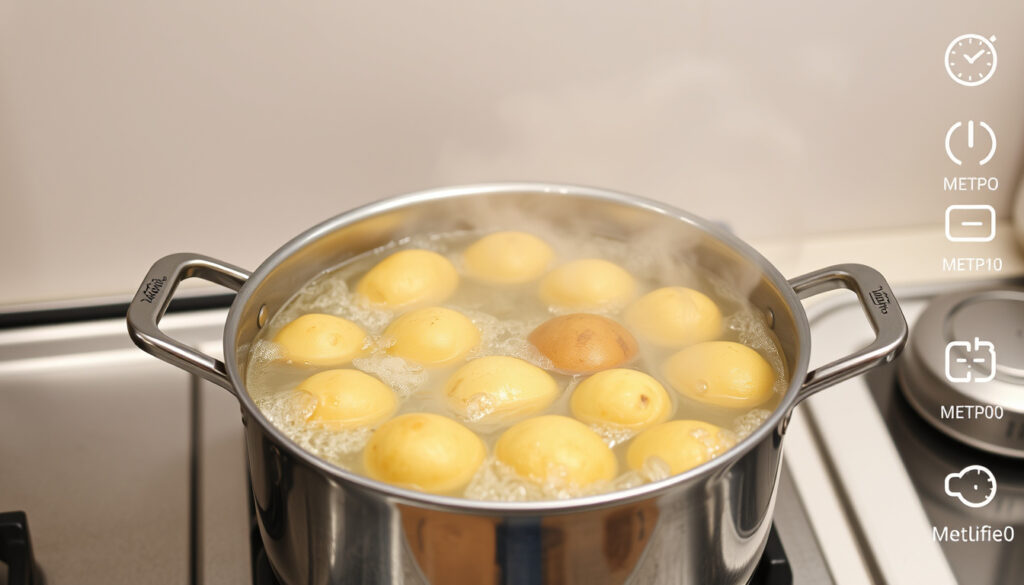
How Long to Boil Potatoes: Timings by Size & Method
Few kitchen tasks seem simpler than boiling potatoes, yet the difference between al dente and mushy often comes down to a few crucial minutes. Whether you’re prepping for a potato salad, mashing for dinner, or just keeping it simple, nailing the timing makes all the difference. Below, you’ll find exact cooking times for every common potato size and method — from stovetop to microwave to pressure cooker — backed by tested recipes and food science guidance.
Cubed potatoes: 10-15 minutes ·
Small whole: 12-15 minutes ·
Medium whole: 20-25 minutes ·
Microwave: 6-8 minutes
Quick snapshot
- Stovetop cubed potatoes cook in 10–15 min (TipBuzz cooking guide)
- Whole medium potatoes need 20–25 min on stovetop (TipBuzz cooking guide)
- Microwave large potatoes in 6–8 min covered on high (TipBuzz cooking guide)
- Exact Instant Pot times can vary by model and potato variety
- Electric vs gas stovetop comparisons lack reliable data
- High-altitude timing adjustments are largely undocumented
- Most tested recipes align on 12–15 min for baby potatoes (My Heart Beets recipe collection)
- Pressure cooker methods gaining popularity with Instant Pot owners (Spice Cravings pressure cooking guide)
- Step-by-step timing breakdown for each method below
- Common mistakes and how to avoid them
The table below summarizes boiling times by potato size across stovetop and pressure cooker methods.
| Potato size | Stovetop time | Pressure cooker time |
|---|---|---|
| Baby / 1 inch | 12 minutes | 4–5 minutes (high pressure) |
| Small / 2 inches | 15 minutes | 8 minutes (high pressure) |
| Medium / 3 inches | 20 minutes | 10 minutes (high pressure) |
| Large / 4+ inches | 25–60 minutes | 12–14 minutes (high pressure) |
How long do you have to boil potatoes for?
The right answer depends almost entirely on two things: how the potato is cut and how big the pieces are. A general pattern emerges across tested recipes: smaller pieces mean faster cook times, and cutting even a large potato in half can slice minutes off your total prep.
Stovetop timings by size
- Baby or cubed potatoes (about 1 inch across): 12 minutes once the water reaches a boil, according to detailed stovetop charts from TipBuzz cooking guide.
- Small whole potatoes (2 inches): 15 minutes.
- Medium whole potatoes (3 inches): 20–25 minutes.
- Large whole potatoes (4 inches or more): Up to 60 minutes for especially starchy varieties like Russets.
Harold McGee, author of On Food and Cooking, recommends cooking potatoes at 80–85°C rather than a full boil to avoid overcooking the exterior before the center is ready. For most home cooks, keeping the water at a gentle simmer rather than a rolling boil makes a real texture difference.
Instant Pot and pressure cooker timings
Pressure cookers work faster by raising the boiling point of water, which cooks food more quickly at high pressure. According to weight-based Instant Pot recipes from My Heart Beets, times vary by potato size:
- Baby or bite-sized potatoes (1–2 oz): 4 minutes on high pressure
- Small potatoes (3–5 oz): 8 minutes on high pressure
- Medium potatoes (6–8 oz): 10 minutes on high pressure
- Large potatoes (9–12 oz): 12 minutes on high pressure
For mashed potato consistency, Spice Cravings recommends adding 2 minutes to these standard times. Traditional pressure cookers (not electric) may need slightly different timing — roughly 7 minutes after the first whistle on low flame, as demonstrated in traditional Sindhi cooking techniques.
Do you start boiling potatoes in cold or boiling water?
This is one of the most debated questions in home cooking forums, and the answer affects both texture and how evenly your potatoes cook.
Cold water start
Starting potatoes in cold water and bringing them up together is the most reliable method for even cooking, especially for whole potatoes. The approach: cover the potatoes with about 1 inch of cold salted water, bring to a boil, then reduce to a simmer with the lid on. This allows the interior and exterior to cook at closer to the same rate, which reduces the risk of mushy outsides and raw centers.
Boiling water start
Some cooks drop potatoes into already-boiling water to firm up the exterior quickly — a technique that can help sliced potatoes hold their shape better for salads. However, this method risks uneven cooking for larger whole potatoes and is generally less forgiving.
Food scientist Harold McGee notes that simmering at around 94°C (versus a full 100°C boil) produces better-textured potatoes. Starting in cold water makes it easier to control the simmer and avoid the surface breakdown that leads to soggy skin.
Why put salt in water when boiling potatoes?
Salt in the cooking water does more than just season the surface — it actually slightly raises the boiling point of the water, and it begins drawing flavor into the potato cells from the outside in.
Timing for salting
The most common advice from tested recipes: add salt when the water first reaches a boil, not before. Adding it too early can discolor the water and, with starchy potatoes, may cause the surface to break down slightly before the water gets hot enough to firm the exterior. For potato salad specifically, salting the water gives you more control than seasoning after cooking, since the potatoes absorb only a limited amount while hot.
Benefits beyond flavor
Beyond seasoning, salt helps the potato cook more evenly by slightly increasing the water’s heat capacity. For stovetop cooking, this is a small but measurable effect — and it’s why many experienced cooks never skip the step.
What are common mistakes when boiling potatoes?
Overcooking and under-salting are the two most frequent errors, but there’s more nuance to getting it right.
Over or under boiling
- Over boiling: Potatoes that cook past “fork tender” absorb excess water and turn grainy, especially starchy varieties. The fix: start checking 2–3 minutes before the estimated time, using a fork inserted into the center.
- Under boiling: Firm centers are a common result of cutting potatoes too large or not starting the timer correctly. Always measure from when the water returns to a boil, not when you first turn on the heat.
Wrong salting
Salting too late means potatoes taste flat, but oversalting the water can make the exterior tough before the inside is cooked. For a 2-pound batch, about 1–2 tablespoons of salt is standard.
Potato salad errors
Potato salad is especially sensitive to timing because the potatoes continue cooking slightly from residual heat even after draining. Recipes from Serious Eats recommend testing for doneness slightly early and letting the potatoes rest off-heat for 2–3 minutes before draining — this prevents the crumbling texture that comes from overcooking in the salad dressing.
For potato salad, slightly underdone potatoes are easier to rescue than overdone ones — you can return firm chunks to boiling water for a minute or two, but you can’t uncook mushy ones. When in doubt, pull them out a bit early.
How to tell if a potato is fully boiled?
The fork test is the most reliable method, and it’s what most tested recipes recommend as the final check before draining.
Fork test
Insert a fork into the center of the largest potato. The tines should slide in without resistance, and the potato should give slightly — not fall apart, but offer no resistance either. The texture to aim for is often described as “pear-like”: tender but still holding its shape.
Other checks
- Visual check: The potato skin may begin to wrinkle slightly, especially on smaller potatoes. This is a good sign but not as reliable as the fork test.
- Knife test: A thin-bladed knife should slide through with almost no pressure. Use this if you don’t want to mark the surface with fork tines.
For stovetop whole potatoes, the fork test typically coincides with the 12–25 minute range depending on size — but always trust the fork over the clock.
Microwave and alternative methods
If you’re short on time or want to save energy, microwave and pressure cooker methods offer meaningful shortcuts compared to traditional stovetop boiling.
Microwave potatoes
- Large whole potatoes: Pierce with a fork 5–6 times, add 2 tablespoons of water, cover, and microwave on high for 6–8 minutes, then rest 2 minutes off-heat.
- Microwave without water (regional variant): In some Indian cooking traditions, potatoes are microwaved without added water for just 3 minutes after pricking. This works best for small to medium potatoes and requires watching carefully to avoid bursting.
Microwave energy penetrates only about 1 centimeter into food, so this method works best for small pieces or pre-cut potatoes. Large whole potatoes may cook unevenly, with the center staying firm while the outer layers soften.
Pressure cooker and Instant Pot tips
- Always pierce potatoes 5–6 times with a fork before pressure cooking to prevent pressure buildup.
- Use a trivet and add 1 cup of water to the pot.
- For mashed potatoes, add 2 minutes to the standard time for your size.
The implication for home cooks: pressure cookers handle larger batches more efficiently since they require less water, while microwaves excel when speed matters and portions are small.
Efficiency: which method saves the most energy?
Energy comparisons from testing blogs suggest pressure cookers and stovetop simmering are roughly tied in energy use for 400g of potatoes at around 0.3 kWh. Microwaves use slightly less electricity (about 0.2 kWh) but work best for small quantities.
By quantity
- Small batches: Microwave is fastest and most energy-efficient.
- Large batches: Pressure cooker uses less water and less total energy per potato than stovetop.
The implication: if you’re boiling potatoes for a crowd, a pressure cooker is worth the setup time. For a quick weeknight side, the microwave wins on pure speed.
It takes as little as 15 minutes on the stovetop or just 6–8 minutes in the microwave.
— TipBuzz, Cooking Guide Author
McGee recommends cooking potatoes at 80–85°C rather than a full boil to avoid overcooking the exterior before the center is ready.
— Harold McGee, author of On Food and Cooking
Related reading: inches to cm conversion · safe dosing guide
energy-surprises.blogspot.com, forumserver.twoplustwo.com, theloveofspice.com, youtube.com
Our size-based guidelines align closely with timings for every cut and variety, which details timings for every cut and potato variety.
Frequently asked questions
Is 10 minutes enough to boil potatoes?
Only for very small cubed potatoes (under 1 inch), and even then, check for fork tenderness before draining. Most whole potatoes need at least 15–20 minutes depending on size.
Is 20 minutes enough to boil potatoes?
Yes, for medium-sized whole potatoes (about 3 inches across). Use the fork test to confirm — a thin knife or fork should slide in without resistance.
How long should potatoes sit in cold water before boiling?
There’s no need to soak potatoes before boiling — just rinse them clean. Soaking can cause excess starch to leach out, which may make the water cloudy, though some cooks prefer this for specific dishes like potato pancakes.
How long to boil potatoes until tender?
Fork tenderness is the best indicator. For cubed potatoes (1-inch pieces), this typically takes 10–15 minutes on stovetop. For whole medium potatoes, expect 20–25 minutes.
How long to boil potatoes in microwave?
Large whole potatoes: 6–8 minutes on high, covered, with 2 tablespoons water, plus 2 minutes resting time. Small or cubed pieces cook faster — start with 4–5 minutes and check for doneness.
How long to boil potatoes for curry?
For curry, potatoes are typically boiled until just fork tender (10–15 minutes for 1-inch cubes) so they hold their shape when simmered in the curry sauce. Overcooked potatoes will fall apart in the curry.
How long to boil whole potatoes for mashed?
Whole medium potatoes (3 inches) take 20–25 minutes; large Russets may need 30–40 minutes. Test frequently with a fork. For smoother mashed potatoes, slightly overdone is better than underdone — the extra moisture helps with mashing.
For home cooks, the choice is straightforward: if you want speed, microwave small pieces; for large whole potatoes, stick to stovetop and start in cold water. Pressure cookers offer the best balance of speed and consistency for batch cooking. Whatever method you choose, the fork test is your safety net — and a few minutes early is always better than a few minutes too late.
More related posts
 Mount Everest Peak: Height, Deaths, Cost, 2 PM Rule
 Ind vs SA Women – Head-to-Head Record and Next T20I
 Gangs of London Season 3 Cast – Returning Stars and New Faces
 Dua for Opening Fast: Arabic, English & Authentic Sources
 US Open 2025 Tennis: Alcaraz Beats Sinner, Winners & Schedule
 Odessa A’zion Movies And TV Shows – Complete Filmography Guide
 Reggie Kray: Life, Crimes, and Death of the Notorious Gangster
 Coopers Hardware Store Chain Closures: What Happened
