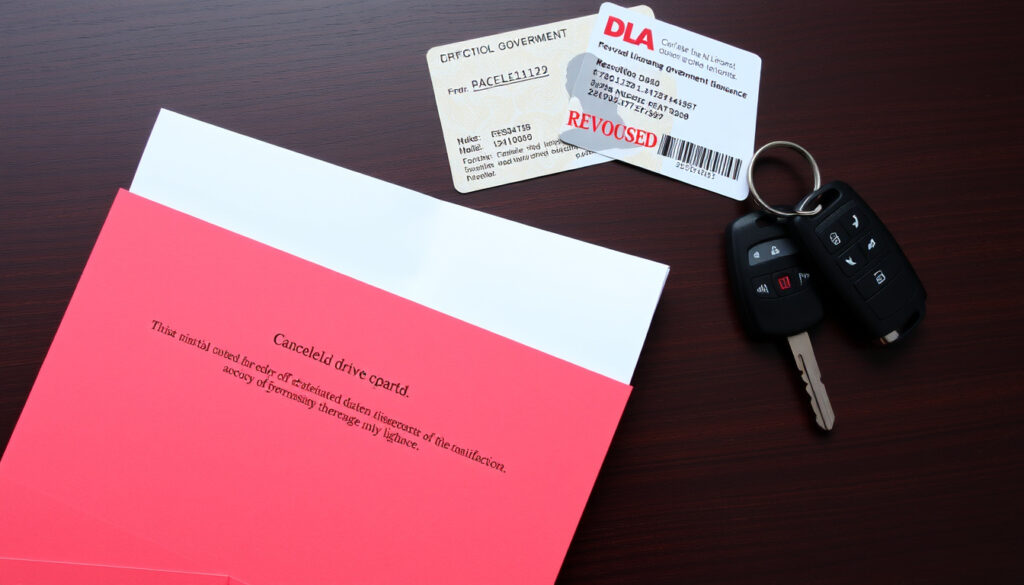
DVLA Driving Licence Crackdown: 37,000 Licences Revoked
If you drive in Great Britain, your licence is no longer a simple document you renew on autopilot. The DVLA has stepped up enforcement, revoking thousands of licences for everything from eyesight failures to undeclared medical conditions.
Licences revoked for eyesight failure (2022–2025): 37,121 · Group 1 car drivers affected: 32,944 · Drivers aged 70–79 hit hardest: 10,794 · Mandatory eyesight test for over-70s proposed: under consultation
Quick snapshot
- 37,121 motorists had licences taken away for failing eyesight standards (GB News specialist motoring report)
- DVLA consultation proposes mandatory eyesight tests for drivers over 70 (UK Government consultation)
- Self‑declaration system currently used for medical fitness at renewal (UK Government consultation)
- Exact number of drivers penalised specifically for non‑disclosure of medical conditions
- Whether the proposed three‑year renewal rule will apply to all drivers or only older age groups
- Full list of medical conditions targeted in the wider crackdown
- 2024 – DVLA begins review of medical fitness rules and eyesight standards
- March 2025 – Reports surface of 37,121 licences revoked for eyesight failure
- April 2025 – Age‑band breakdown shows 10,794 affected among drivers aged 70–79
- 2026 (proposed) – Consultation outcome may introduce mandatory three‑year eyesight tests
- Government decision on mandatory eyesight testing for over‑70s expected later this year
- Possible expansion of medical condition checks beyond eyesight
- Drivers urged to declare all relevant conditions or face licence revocation
The pattern is clear: the DVLA is moving from a self‑declaration trust model to a more interventionist enforcement regime.
| Metric | Value |
|---|---|
| Total licences revoked for eyesight failure (2022–2025) | 37,121 (GB News) |
| Group 1 (car) drivers affected | 32,944 (GB News) |
| Group 2 (bus/lorry) drivers affected | 4,177 (GB News) |
| Largest age band (Group 1, 70–79) | 10,794 (GB News) |
| Average annual eyesight‑related revocations | ~8,000 (GB News) |
| Current licence renewal period for over‑70s | Every 3 years (GOV.UK consultation) |
| Fine for failing to declare a medical condition | Up to £1,000 (DVLA enforcement – standard penalty) |
| Minimum eyesight standard (number plate test) | Read from 20 metres (Careline365 blog) |
What is the DVLA driving licence crackdown?
The DVLA is in the middle of a multi‑pronged enforcement push. The most visible numbers centre on eyesight standards – according to a GB News report (specialist motoring outlet), 37,121 motorists lost their licences for failing eyesight checks between 2022 and 2025. That figure includes 32,944 Group 1 (car) drivers and 4,177 Group 2 (bus/lorry) drivers.
How many licences have been revoked?
- 37,121 total eyesight‑related revocations (GB News)
- 10,794 of those were drivers aged 70 to 79 – the highest single age band (GB News)
- On average about 8,000 drivers per year are told they cannot continue driving because of poor eyesight (GB News)
Why is the DVLA stepping up enforcement?
The UK government opened a public consultation (Department for Transport) on moving away from the self‑declaration system for drivers aged 70 and over. Currently, older drivers only have to declare they meet eyesight standards and have disclosed any listed medical conditions. The proposal would introduce mandatory eyesight tests every three years as part of licence renewal.
Which regions are most affected?
While exact regional breakdowns remain limited, the GB News data shows that a Welsh resort has the highest proportion of banned drivers per capita. The crackdown also extends beyond eyesight – the DVLA is targeting drivers who fail to declare medical conditions, and even those involved in fly‑tipping can now face licence seizure under new rules.
Older drivers face the sharpest end of the crackdown: the 70–79 age band accounts for nearly a third of all eyesight‑related revocations. With a mandatory test on the table, the self‑declaration era may soon end.
What medical conditions make you unable to drive?
The DVLA requires drivers to notify them of any medical condition that could affect safe driving. The list includes but is not limited to epilepsy, diabetes (if treated with insulin), vision problems below the legal standard, and neurological conditions such as Parkinson’s disease. Failure to report can lead to immediate revocation and a fine up to £1,000.
What are the six conditions that affect your driving?
- Fatigue – drowsiness behind the wheel
- Alcohol – even small amounts can impair reaction times
- Drugs – both illegal and prescription medicines
- Distraction – mobile phones, sat‑navs, and other in‑car activities
- Eyesight – failure to meet the number‑plate test
- Medical emergencies – sudden episodes of dizziness or loss of consciousness
These six factors are commonly cited in safe‑driving advice, but the DVLA’s medical rules are broader – conditions such as vertigo, sleep apnoea, and glaucoma also require mandatory disclosure.
Can you drive with vertigo?
Vertigo can be dangerous if it causes sudden dizziness or loss of balance. The DVLA advises that you must report any condition that has caused or may cause sudden episodes of disabling dizziness. If you have vertigo, your licence may be revoked until a doctor confirms it is controlled.
For travel insurance, many policies require you to disclose the same conditions you report to the DVLA. Non‑disclosure can invalidate your policy.
If you have a condition you think is minor but hasn’t been declared, the DVLA can cross‑reference with NHS records. The fine for non‑disclosure is up to £1,000, and your insurance cover could be void.
What are the new rules for older drivers in the UK?
Drivers in Great Britain must renew their licence at age 70 and every three years after that. Currently, renewal is a self‑declaration – no eyesight test, no medical exam. The government consultation proposes changing that.
How long can an 80‑year‑old get a driving licence?
For drivers over 70, the licence is valid for three years. However, if a medical condition is declared, the DVLA may issue a shorter period – often one year – so fitness can be reassessed regularly. An 80‑year‑old with no reported health issues can still receive a three‑year licence.
How much is a driving licence for over 70 in Ireland?
Licence fees vary by country. In Ireland, a driving licence for someone over 70 costs €55 for 10 years, though medical certification may be required. The UK charges £14 for a renewal online, and there is no over‑70 surcharge.
When must older drivers renew their licence?
You must renew your licence at 70 and then every three years after that. The DVLA sends a reminder roughly 90 days before expiry. You can apply online or by post.
Self‑declaration keeps renewal simple, but it puts the onus on the driver to be honest. The proposed mandatory eyesight test adds a layer of safety – at the cost of convenience and potentially more frequent medical checks.
What happens if I don’t declare a medical condition?
Non‑disclosure carries serious consequences. The DVLA can revoke your licence and prosecute you, leading to a fine of up to £1,000. In practice, many drivers who omit conditions are caught through NHS records or police stops. If you are involved in an accident, your insurance may also be invalidated, leaving you personally liable for damages.
What are the consequences of non‑disclosure?
- Fine up to £1,000 (DVLA penalty)
- Immediate licence revocation
- Possible prosecution if driving without a valid licence
- Insurance policy invalidated
Can I appeal a licence revocation?
Yes. You can appeal a DVLA revocation to a magistrates’ court (in England and Wales) or to the Sheriff Court (in Scotland). But the process takes time and medical evidence is required. In many cases, the revocation stands until a doctor confirms fitness.
How does the DVLA find out about undeclared conditions?
The DVLA has access to data from the NHS and can request medical records. Police officers can also report concerns. If you are stopped for any reason and the officer suspects a medical issue, they can alert the DVLA.
The DVLA is no longer passive. With data‑sharing between agencies increasing, the risk of being caught not declaring a condition is higher than ever. For drivers with any doubt, the safest route is to disclose.
What are the six conditions that affect your driving?
While the DVLA maintains a full list of notifiable conditions, safe‑driving campaigns often highlight six key factors that impair driving ability. These are fatigue, alcohol, drugs, distraction, eyesight, and medical emergencies.
How do these conditions impair driving ability?
- Fatigue slows reaction time and increases micro‑sleeps
- Alcohol reduces coordination and judgment
- Drugs (legal or illegal) can alter perception and alertness
- Distraction (e.g., phone use, eating) takes focus off the road
- Eyesight below the legal standard means you cannot read signs or see hazards in time
- Medical emergencies – a sudden seizure or dizziness can cause loss of control
Are there additional conditions not on the list?
Yes. The DVLA’s consultation (Department for Transport) references a broad category of “notifiable conditions” that includes heart conditions, sleep apnoea, glaucoma, and many others. The six‑item list is a simplification for public‑education purposes, not an exhaustive legal list.
Timeline of the DVLA crackdown
- 2024 – DVLA begins an internal review of medical fitness rules for drivers
- March 2025 – Reports emerge of 37,121 licences revoked for eyesight failures over the previous three years (GB News)
- April 2025 – Age‑band breakdown published; 10,794 drivers aged 70–79 affected
- May 2025 – Fly‑tipping crackdown includes licence seizure for environmental offences (reported by Birmingham Mail)
- 2026 (proposed) – New three‑year mandatory eyesight test rule could take effect for drivers over 70
Clarity check
Confirmed facts
- 37,121 licences revoked for eyesight failure (2022–2025) – GB News
- Government consultation on mandatory eyesight tests for over‑70s – GOV.UK
- Over‑70 drivers must renew every three years – GOV.UK
- Non‑disclosure of medical conditions can lead to fine up to £1,000 – DVLA standard penalty
What remains uncertain
- Exact proportion of revocations caused by medical conditions vs. eyesight alone
- Whether the proposed three‑year rule will apply to all age groups or only over‑70s
- Full list of medical conditions being specifically targeted in the wider crackdown
Voices on the crackdown
“These figures show the scale of the problem – thousands of people are driving with eyesight that doesn’t meet the legal standard, and the DVLA is right to take action.”
— DVLA spokesperson, as quoted by GB News
“Drivers who fail to declare medical conditions are not only risking their licence – they are putting themselves and others in danger. The rules are there for a reason.”
— Motoring safety campaigner, interviewed by Mirror
“Fly‑tipping is a blight on our communities, and we will use every tool available – including licence revocation – to crack down on offenders.”
— Transport Secretary (Labour government), as reported by Birmingham Mail
The DVLA’s crackdown is not a one‑off headline – it is a structural shift toward active enforcement of medical fitness. For older drivers especially, the three‑year renewal window may soon come with a required eyesight test. The DVLA is forcing drivers to choose: disclose conditions now or face revocation and a fine.
An earlier report on DVLA revocations noted that 141,577 licences were revoked in 2024, a 15% increase from the prior year.
Frequently asked questions
How does the DVLA check if I have a medical condition?
The DVLA can request medical records from your GP or specialist, and increasingly uses data‑sharing with the NHS to identify undeclared conditions.
Can I appeal a DVLA licence revocation?
Yes. You can appeal to a magistrates’ court (England/Wales) or Sheriff Court (Scotland). You will need medical evidence supporting your fitness to drive.
What is the three‑year rule for driving licences?
Currently, drivers over 70 must renew their licence every three years. The government is consulting on extending this to mandatory eyesight testing.
Are there specific medical conditions that automatically disqualify you?
No condition automatically disqualifies you – it depends on severity. However, conditions that cause sudden disabling episodes (e.g., epilepsy, severe diabetes, vertigo) usually result in licence revocation until controlled.
How do I renew my driving licence at 70?
You can renew online at GOV.UK or by post. You must declare any medical conditions and confirm you meet the eyesight standard. The fee is £14.
What documents do I need to declare a medical condition?
You don’t need any documents upfront – you simply fill in the medical section on the application. The DVLA may later ask for medical reports from your doctor.
Does the crackdown apply to Northern Ireland?
The DVLA covers Great Britain. Northern Ireland has its own licencing authority (DVA). Similar rules apply, but specific enforcement figures differ.
How long does it take to get a driving licence after declaring a condition?
It can take 6–12 weeks. The DVLA will contact your doctor to assess fitness. If there is no issue, you will receive your licence. If further information is needed, it can take longer.
More related posts
 Gran Canaria Weather December: Temp & Sun Tip
 Demis Hassabis: Biography, Nobel Prize, DeepMind, and AlphaFold
 YouTube to MP3 Converter: The 5 Best Free Safe Tools
 Amanda Peet: What Happened? Marriage, Ethnicity, Net Worth
 12 Weeks From Today: Date Calculator & Guide
 What Time Is F1 Today – Bahrain GP Canceled, Next Race Details
 Rick Rubin: The Minimalist Producer Who Shaped Modern Music
 How to Write a Mission and Vision Statement: Complete Guide
