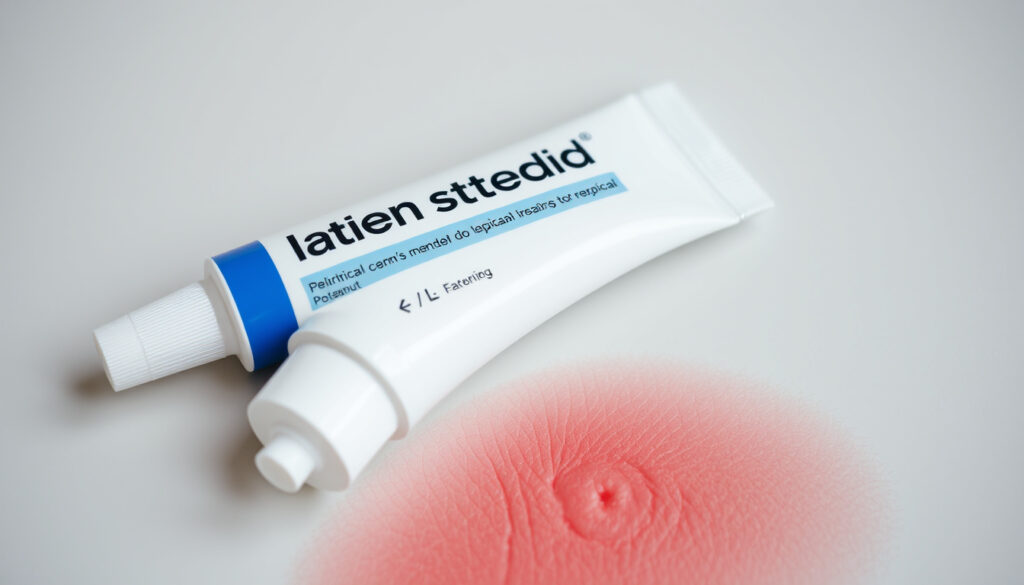
Steroid Cream for Eczema: Potency, Safety & Best Tips
Anyone who has dealt with an eczema flare knows the frustration of trying to find something that actually calms the itch without causing more worry. For millions of people, topical corticosteroids remain the go‑to treatment — but not all steroid creams are the same, and using the wrong potency in the wrong place can backfire. This guide cuts through the confusion with evidence from UK and US health authorities, explaining which creams work best, how to apply them safely, and when to consider alternatives.
People with eczema affected worldwide: over 31 million in the US alone ·
Topical corticosteroids are first-line treatment: recommended by major guidelines ·
Potency classes of steroid creams: 7 categories from mild to super‑high ·
Common mild steroid available OTC: hydrocortisone 1% cream ·
Maximum continuous use for mild steroids: 7 days unless directed ·
Reported side effect rate with long‑term use: skin thinning in <5% of patients
Quick snapshot
- Hydrocortisone 1% (American Family Physician – peer‑reviewed family medicine journal)
- For face, flexures, children (American Family Physician – peer‑reviewed family medicine journal)
- OTC availability (American Family Physician – peer‑reviewed family medicine journal)
- Use up to 7 days (American Family Physician – peer‑reviewed family medicine journal)
- Betamethasone valerate 0.025% (DermNet NZ – dermatology resource)
- For trunk, limbs (DermNet NZ – dermatology resource)
- Prescription only (DermNet NZ – dermatology resource)
- Short‑term flare control (DermNet NZ – dermatology resource)
- Mometasone furoate 0.1% (American Academy of Pediatrics – paediatric medical authority)
- For severe flares (American Academy of Pediatrics – paediatric medical authority)
- Doctor supervision required (American Academy of Pediatrics – paediatric medical authority)
- Max 2 weeks continuous (American Academy of Pediatrics – paediatric medical authority)
- Clobetasol propionate 0.05% (American Family Physician – peer‑reviewed family medicine journal)
- Resistant cases (American Family Physician – peer‑reviewed family medicine journal)
- Short bursts only (American Family Physician – peer‑reviewed family medicine journal)
- High side effect risk (American Family Physician – peer‑reviewed family medicine journal)
| Item | Value |
|---|---|
| Prevalence | Eczema affects 10–20% of children and 1–3% of adults globally. |
| First‑line treatment | Topical corticosteroids are the standard of care for flare management. |
| OTC availability | Hydrocortisone 1% is available without prescription in most countries. |
| Potency classification | 7 categories (Class 1 = super‑high, Class 7 = mild). |
| Application rule | The 3‑minute rule between steroid and moisturizer prevents dilution. |
| Biological alternative | Dupilumab (Dupixent) is FDA‑approved for moderate‑to‑severe cases. |
Which steroid cream is best for eczema?
Understanding potency classes of topical steroids
- Topical corticosteroids are grouped into seven classes, with Class 1 (super‑high potency) being the strongest and Class 7 (mild) the weakest. The American Family Physician (peer‑reviewed family medicine journal) explains that potency determines both effectiveness and risk of side effects.
- A Cochrane systematic review (international evidence‑based medicine authority) found that stronger corticosteroids are probably more effective than weaker preparations for moderate or severe eczema.
Mild steroids: Hydrocortisone 1% and when to use it
- Hydrocortisone 1% is the standard over‑the‑counter mild steroid. The American Academy of Pediatrics (paediatric medical authority) states that low‑potency hydrocortisone ointment 1% or 2.5% is usually sufficient for flares of atopic dermatitis in infants.
- For face, skin folds, and diaper areas, only mild steroids should be used to reduce the risk of skin thinning.
Moderate to potent steroids for severe flares
- For older children and adults, mid‑potency options such as triamcinolone 0.1% or high‑potency mometasone 0.1% are appropriate, according to AAP guidance.
- DermNet NZ (dermatology reference) advises using the weakest effective steroid but notes that a potent preparation is often appropriate for a short time to ensure the condition clears completely.
Choosing the right cream, ointment, or lotion
- Ointments are more potent than creams because they provide better skin penetration. The AAP notes that one gram of product covers a 10 cm × 10 cm area, with about 30% more coverage if an ointment is used rather than a cream.
- Lotions and gels are lighter and may be preferred for hairy areas but deliver less steroid per application.
Will eczema go away with steroid cream?
How steroids reduce inflammation and itching
- Topical corticosteroids work by suppressing the immune response that drives eczema — they reduce inflammation, redness, and itching. The Cochrane review confirms their effectiveness in managing flares.
- Most flares show noticeable improvement within 3–7 days of consistent use, according to clinical experience.
Steroids treat flares, not cure the condition
- Eczema is a chronic condition with no permanent cure. Steroid creams control symptoms during flares but do not eliminate the underlying predisposition.
- Underlying triggers such as allergens, irritants, and stress need separate management to reduce flare frequency.
Duration of treatment and expected results
- Short courses — typically 3–7 days for mild steroids and up to 2–3 weeks for super‑high‑potency steroids — are sufficient for most flares, as per American Family Physician guidance.
- High‑ and medium‑potency corticosteroids should not be used continuously for more than 12 weeks.
What this means: steroid creams are a powerful tool for flare management, but they are not a cure. Long‑term control requires a broader strategy including moisturizers, trigger avoidance, and sometimes non‑steroid treatments.
What is the 3 minute rule for eczema?
Why timing of moisturizer after steroid cream matters
- The so‑called 3‑minute rule advises applying steroid cream first, then waiting three minutes before applying moisturizer. This prevents the moisturizer from diluting the steroid and washing it away before it can work.
- The Cochrane review does not directly test this timing, but the principle is widely accepted by dermatology bodies to maintain steroid potency.
Step‑by‑step: apply steroid, wait 3 minutes, then moisturizer
- Wash hands. Apply a thin layer of steroid cream only to active eczema patches. Use the fingertip unit method: one adult male fingertip unit = 0.5 g, one female fingertip unit = 0.4 g (DermNet NZ).
- Wait three minutes for the steroid to absorb. Then apply a fragrance‑free moisturizer over the entire affected area.
- For a full body application, about 40 fingertip units are needed.
Evidence from dermatology guidelines
- The UK National Eczema Society supports the 3‑minute rule as a practical method to maximize steroid efficacy while maintaining skin hydration.
- DermNet NZ states there is no additional benefit from applying a topical steroid more than once daily after the first 2–3 applications.
The takeaway: the 3‑minute rule is a simple, evidence‑informed habit that helps ensure the steroid reaches the skin without competition from moisturizers.
What are the side effects of steroid cream?
Common side effects: skin thinning, stretch marks
- Skin thinning (atrophy) is the most frequent side effect with prolonged or inappropriate use. The American Family Physician notes that adverse‑effect risk rises with duration, larger application areas, higher potency, occlusion, and use on thin skin such as the face and genitals.
- Stretch marks and easy bruising may appear, particularly with long‑term use of potent steroids.
Rare but serious: adrenal suppression with overuse
- Systemic side effects — such as adrenal suppression — are rare but possible with very potent agents even over short periods, or with moderately potent preparations over large body areas for extended periods. The American Academy of Pediatrics warns that young infants are at highest risk.
- The Cochrone review found little confidence in evidence on unwanted effects because studies were small and methods not always reliable.
How to minimize risks: short‑term use, correct potency
- Use the weakest effective steroid for the shortest necessary duration. DermNet NZ advises this approach to balance effectiveness and safety.
- Never apply potent steroids to the face, armpits, or groin without medical supervision.
- If using for more than two weeks on a large area, consult a doctor.
The trade‑off: when used correctly, topical corticosteroids are safe and effective. The majority of side effects are dose‑ and duration‑dependent and can be avoided with careful prescribing and patient education.
Is it bad to use steroid cream on eczema?
Risk vs. benefit: untreated eczema harms skin barrier
- Untreated eczema can lead to skin infections, scarring, and significant quality‑of‑life impairment. The American Family Physician emphasises that appropriate steroid use prevents these complications.
- When used according to guidelines, topical corticosteroids are considered safe and highly effective.
Steroid phobia and when alternatives are needed
- Many patients avoid steroids due to fear of side effects, but this can lead to undertreated disease. Non‑steroid options such as topical calcineurin inhibitors (tacrolimus, pimecrolimus) or the biologic Dupilumab (Dupixent) are available for long‑term control.
- The FDA has approved Dupilumab for patients aged 6 months and older with moderate‑to‑severe eczema that isn’t adequately controlled with topical medications.
Signs to stop and consult a doctor
- If the skin becomes thinner, shows stretch marks, or if you need increasingly potent steroids to control flares, see a healthcare professional.
- Infected eczema — with oozing, crusting, or spreading redness — requires antibiotics, not just steroids.
The catch: steroid avoidance can be as harmful as overuse. The right approach is informed, short‑term use with proper monitoring.
What clears up eczema quickly?
Fast‑acting treatments: potent steroids for short bursts
- A short course of a potent steroid, such as betamethasone 0.1% or mometasone 0.1%, can clear a flare in days. The American Family Physician suggests super‑high‑potency steroids for up to three weeks.
- Once‑daily application is probably as effective as twice‑daily for potent steroids, according to Cochrane.
The role of wet wraps and antihistamines
- Wet wrap therapy — applying a damp layer over the steroid cream, then a dry layer — enhances penetration for severe cases. This should be done under medical supervision.
- Antihistamines help control itching, especially at night, but they do not treat inflammation.
When to seek urgent care for infected eczema
- If a flare does not improve after one week of appropriate potency steroid use, or if signs of infection appear, seek medical attention. Infected eczema may require oral or topical antibiotics.
Why this matters: fast relief is possible, but rapid clearance should not come at the cost of safety. Short bursts of potent steroids are the most effective way to quickly regain control of a flare.
Comparison of steroid potencies
The table below shows how the four most commonly used potency groups compare on key factors such as prescription status and maximum duration.
| Potency group | Example product | Prescription needed? | Typical use | Max continuous duration |
|---|---|---|---|---|
| Mild (Class 6‑7) | Hydrocortisone 1% | No (OTC) | Face, skin folds, children | 7 days |
| Moderate (Class 4‑5) | Betamethasone valerate 0.025% | Yes | Trunk, limbs, moderate flares | 12 weeks |
| Potent (Class 2‑3) | Mometasone furoate 0.1% | Yes | Severe flares on body | 2 weeks (then reassess) |
| Super‑potent (Class 1) | Clobetasol propionate 0.05% | Yes | Resistant, localised plaques | 3 weeks |
Pros and cons of topical corticosteroids for eczema
Upsides
- Highly effective for reducing inflammation and itching
- Wide range of potencies allows tailoring to severity
- Short‑term use carries very low risk of side effects
- Inexpensive and widely available (OTC mild forms)
- Once‑daily dosing is sufficient for many patients
Downsides
- Skin thinning with prolonged or inappropriate use
- May cause stretch marks, telangiectasias, easy bruising
- Risk of adrenal suppression with overuse of potent steroids
- Cannot be used on face or flexures without caution
- Does not cure the underlying condition; treats flares only
How to apply steroid cream for eczema – step by step
Step 1: Cleanse and dry the affected area gently
- Wash hands before applying. If the skin is weeping, clean with a mild soap and pat dry. Do not rub.
Step 2: Use the fingertip unit to measure
- Squeeze a line of cream from the first crease of your index finger to the fingertip. That is one fingertip unit – enough to cover an area twice the size of a palm (including fingers). DermNet NZ provides this guidance.
Step 3: Apply a thin layer to active eczema only
- Spread the steroid cream in a thin, even layer exactly on the red, itchy patches. Avoid surrounding healthy skin.
Step 4: Wait 3 minutes before moisturizing
- Do not apply moisturizer immediately. Wait at least three minutes to allow the steroid to absorb. Then apply your regular emollient over the full body area.
Step 5: Wash hands after application
- Unless you are treating your hands, wash thoroughly after applying. This prevents accidental transfer to other areas or people.
Step 6: Follow the prescribed schedule strictly
- Use once or twice daily as directed. Once the flare improves, reduce frequency gradually (e.g., every other day for a week) before stopping. Cochrane notes that weekend ‑proactive therapy can help prevent relapses.
What we know and what remains unclear about steroid cream for eczema
Confirmed facts
- Steroid creams reduce inflammation and itching in eczema flares.
- Hydrocortisone 1% is safe for short‑term OTC use (American Family Physician).
- Potent steroids should not be used on the face without medical advice (AAP).
- The 3‑minute rule is recommended by the UK National Eczema Society.
- Once‑daily application of potent steroids is as effective as twice‑daily (Cochrane).
- Weekend proactive therapy reduces flare‑ups (Cochrane).
What’s unclear
- Optimal steroid duration for individual patients is not precisely defined.
- Long‑term risks of mild steroid use on paediatric skin are not fully quantified.
- Comparative efficacy of different vehicles (cream vs. ointment) lacks large‑scale trials.
- Evidence on rare side effects (adrenal suppression, skin atrophy) is limited by small studies (Cochrane).
Perspectives from experts and health authorities
The National Health Service (UK) advises that topical corticosteroids should be applied thinly to the affected areas only, and that a mild preparation is usually sufficient for the face and neck.
— NHS guidance on atopic eczema
The National Eczema Society (UK) recommends the 3‑minute rule as a practical way to avoid diluting the steroid cream, especially when using emollients.
— National Eczema Society (UK)
Healthline’s medical review notes that topical corticosteroids are safe for short‑term use, but patients should be aware of the potency classification and never use a strong steroid on the face without a doctor’s OK.
— Healthline medical review
The FDA prescribing information for Dupixent (dupilumab) highlights that it is not a steroid and is indicated for patients aged 6 months and older with moderate‑to‑severe atopic dermatitis that is not adequately controlled with topical therapies.
— FDA prescribing information for Dupixent
Summary: making informed choices about steroid cream for eczema
Steroid creams remain the frontline weapon against eczema flares — but they are a tool, not a cure. When used with the right potency for the right duration, they are safe and highly effective. The 3‑minute rule, once‑daily dosing, and fingertip unit measurements are simple techniques that maximise benefit while minimising risk. For patients in the US or UK who need long‑term control, alternatives like topical calcineurin inhibitors or Dupilumab offer steroid‑sparing options. The person dealing with a stubborn flare should start with the mildest effective steroid, apply it correctly, and if the skin doesn’t respond within a week — or if you need to use it on the face — see a doctor before reaching for a stronger tube.
Related reading: Can I Take Paracetamol and Ibuprofen Together – Safe Dosing for Children · 5 Ft 3 In Cm – Exact NIST Conversion to 160.02 cm
goodrx.com, thischangedmypractice.com, scratchsleeves.com, nationaleczema.org
For a deeper look at how to match potency to severity, see this detailed guide on choosing the right steroid cream for eczema.
Frequently asked questions
Can I buy steroid cream for eczema over the counter?
Yes, hydrocortisone 1% is available without a prescription in most countries, including the US and UK. It is suitable for mild flares on small areas of skin. For stronger steroids, you need a prescription.
How often should I apply steroid cream for eczema?
Once or twice daily is usual. Cochrane found that once‑daily application of potent steroids is probably as effective as twice‑daily. Follow your doctor’s instruction.
What happens if I use too much steroid cream on eczema?
Overuse can lead to skin thinning, stretch marks, easy bruising, and – in rare cases with very potent steroids – adrenal suppression. The risk is dose‑ and duration‑dependent.
Can steroid cream be used on eczema on the face?
Only mild steroids (hydrocortisone 1% or weaker) should be used on the face, and only for a few days. Avoid getting it near the eyes. The American Academy of Pediatrics stresses using the lowest potency on the face and skin folds.
Is steroid cream safe for babies with eczema?
Yes, when used under medical guidance. For infants, a low‑potency hydrocortisone 1% or 2.5% ointment is usually sufficient, as per AAP. Never use a steroid cream on a baby without first consulting a paediatrician.
Does steroid cream for eczema cause skin thinning?
Prolonged use, especially of potent steroids and on thin skin areas, can cause thinning (atrophy). Short‑term use and the mildest effective potency keep this risk very low.
Can I use steroid cream and moisturizer together?
Yes, but apply the steroid cream first, wait three minutes, then apply your moisturizer. This is the 3‑minute rule and prevents dilution of the steroid.
When should I see a doctor for eczema treatment?
If over‑the‑counter steroids do not control a flare within one week, if the eczema is severe, covers large areas, or shows signs of infection (oozing, crusting, fever), see a doctor. Also seek advice if you need steroids on the face or for a child.
More related posts
 Anger Management: Types, Causes, and Control Tips
 Blue Whale Growth Fund – Strategy, Performance and Key Facts
 Signs of Diabetes in Women: Early Symptoms & Warning Signs
 Angela Griffin: From Soap to BAFTA-Nominated Director
 Carol Decker Now: Career, Net Worth, Marriage & Updates
 Roksana Lecka: 21 Babies Abused, 8-Year Jail, Deported
 JonBenét Ramsey Case: Theories, DNA Evidence, and Latest Updates
